
Carrying It On: Voices of the Renfro LegacyFeaturing Jason Brown
- Avery Brown Renfro
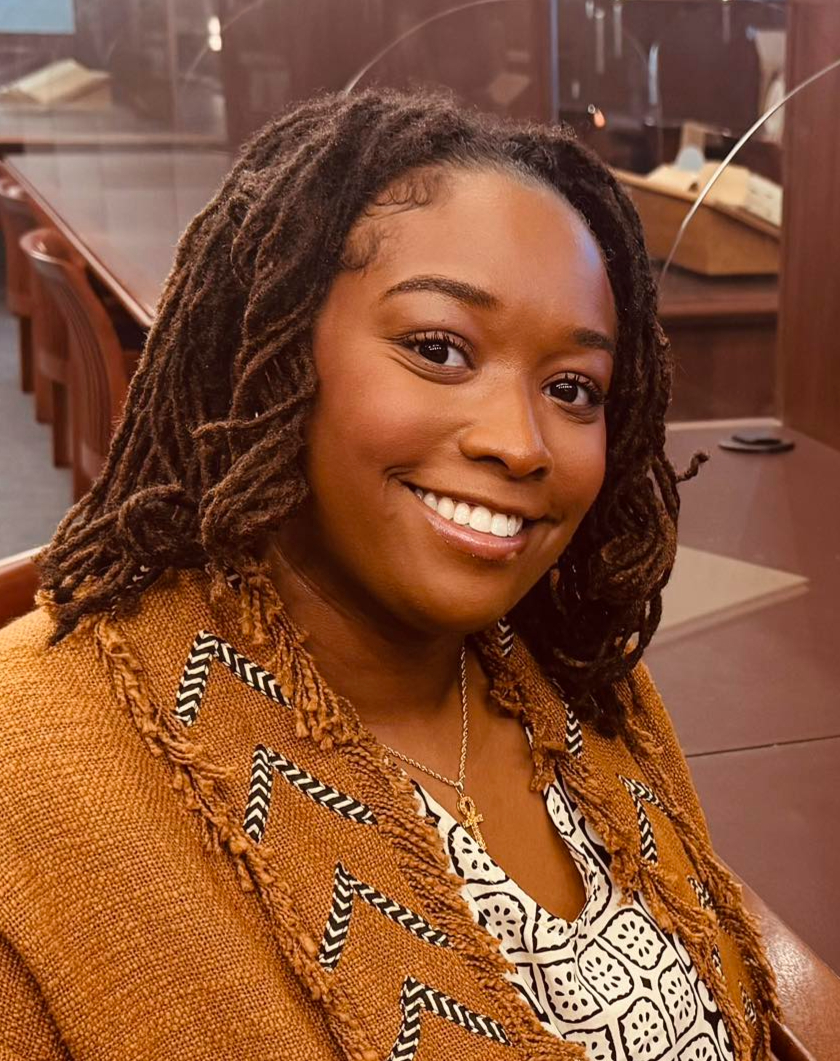
- May 4
- 4 min read
Planetary Scientist | Son of Bruce Brown | U.S. Army Veteran
Below is a conversation between curator Avery Brown Renfro and Jason Brown, reflecting on his father, Bruce Brown exploring memory, identity, service, and legacy.
Eight reflections.
1. Q: What was it like growing up knowing your father, both as a man and as an artist?
A: I never saw anything that he couldn’t do. Growing up with him was like watching a modern day Renaissance man.
I remember sitting in his paint room when I was about six years old, watching him stare at a blank canvas for 40 minutes, maybe an hour, before he even started. I would fall asleep, and when I woke up, he had created a masterpiece.
2. Q: Are there any moments, memories, or stories with your father that have stayed with you over the years?
A: Most of my memories are tied to the military, because both of us served, and so did his father, my grandfather. That’s three generations of the Brown bloodline that fought in World War II, Vietnam, Iraq, and Afghanistan.
All three of us earned the same combat medals, so we share that bond.
When it comes to art, he told me it was a gift he couldn’t teach. Watching him, I understood what he meant. But one thing he did teach me was to find my focal point, and then let my God given talent take over.
3. Q: How did your father’s experience in the Army shape the way he saw the world and expressed himself through his work?
A: That’s a tough question, because he never really spoke about the Army in a positive way.
But I can say this. If it wasn’t for art as an escape from what he experienced, he probably wouldn’t have remained sane.
No veteran comes back the same after seeing that level of humanity and chaos. Art was his outlet. That’s what kept him grounded.
4. Q: As someone who also served, how do you see the connection between your father’s service and your own journey?
A: Every person has their own purpose.
There’s a principle from the 48 Laws of Power, Law 35, that says never fill a great man’s shoes. That means I can’t do exactly what he did. I have to walk my own path and build my own name.
His journey was art. My journey is science and mathematics.
As a planetary scientist studying the cosmos and different planets, I see that we are both trying to give something back to humanity. His work expressed the beauty of this world. My work is about understanding it, answering questions people see but don’t understand, maybe even discovering something new.
I can’t fill his shoes as Bruce Brown. I can only fill my own as Jason Brown.
5. Q: What did you learn from your father about discipline, creativity, or purpose that has stayed with you through your military experience?
A: I’ll tell you exactly what he told me before every deployment.
I went to Iraq three times and Afghanistan twice. He always told me, never be a hero. Come home.
Don’t fight for a medal. If your leadership believes you deserve it, you’ll earn it. Don’t do things trying to chase recognition.
And he told me something else. Don’t think about home.
Each time I deployed, he told me not to call him, because he didn’t want my mind divided. The ones who stayed focused made it back.
During the Surge in 2007 in Iraq, people were dying every day for the entire 15 months I was there. I didn’t call home once.
6. Q: What does it mean to you to see your father’s story and legacy being carried forward today?
A: It means everything.
For years, my father worked to establish his presence in the art world, but like many artists, he encountered challenges related to access, trust, and the proper stewardship of his work. There were moments where his contributions were not fully protected or recognized.
Even toward the end of his life, he was still painting. He spoke to me privately about helping his name reach the world, and I told him I would.
His legacy means a lot to me. I just hope our family can give him the posthumous recognition he always deserved.
7. Q: Is there anything about your father’s story that you feel is often misunderstood or not fully told?
A: I think what’s often misunderstood is his style.
He could move between post impressionism, baroque, and abstract depending on his mood. His work wasn’t confined to one lane.
What’s not fully told is who influenced him. Growing up, I heard him talk about John Biggers at Texas Southern University. I saw him watch Bob Ross on TV. He told me Professor Leon Renfro was a major inspiration. And at Yates High School, Mrs. Geraldine Crossland pushed him and motivated him. They were both friends and rivals.
Years later, she became my art teacher. That connection meant something.
8. Q: How do you carry your father with you today?
A: Honestly, my father never left me.
I still hear him. I still remember our conversations on the back porch at his home in Baytown, sitting and talking for hours.
I look at his artwork, and I feel like he’s still around me every day.
He used to tell me I was the smartest person he knew, even when I didn’t feel like it. He would remind me that I had gone further than anyone in our family, traveling the world, even to the North Pole and South Pole, studying this planet and beyond.
Those words stay with me. They still push me forward.
Thank you, Jason. We appreciate you, Cousin, and we promise to continue helping you carry it on.
We don’t just hang the art. We carry it on.

Comments